
NEWS
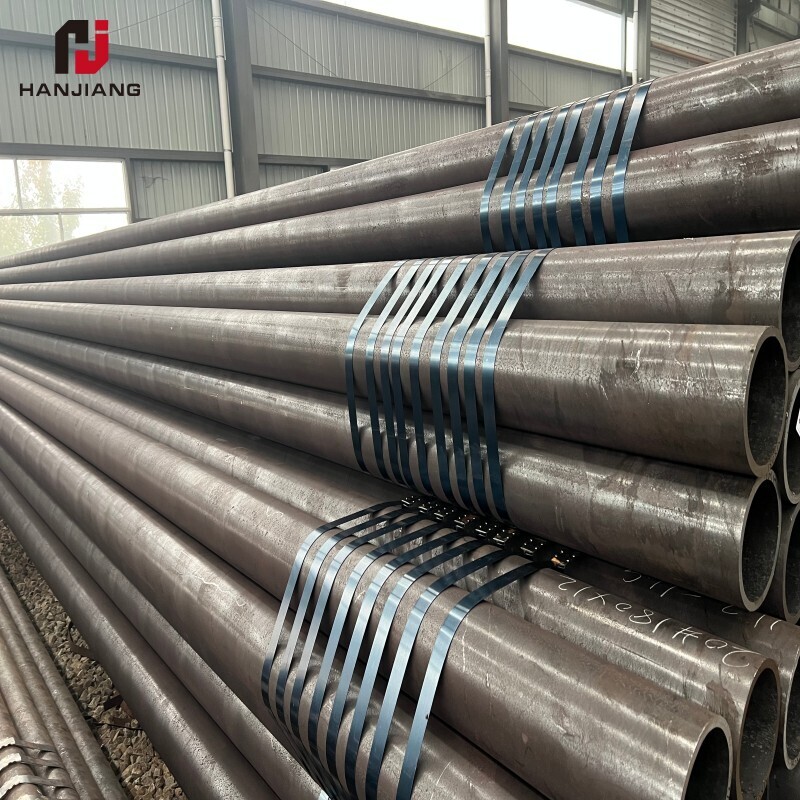
When selecting steel pipes for high-pressure applications like oil casing, the debate between seamless steel pipe and welded options is critical. Understanding their performance differences under extreme conditions directly impacts safety, efficiency, and cost-effectiveness. This analysis compares their structural integrity, pressure resistance, and suitability for demanding operations—essential knowledge for engineers, procurement specialists, and project managers making material decisions.
Structural Integrity: The Core Difference
The fundamental distinction between seamless and welded steel pipes lies in their manufacturing processes. Seamless pipes are extruded from solid billets, creating a homogeneous structure without weak points. This makes them inherently stronger for high-pressure oil casing applications where internal stresses can exceed 5,000 psi. Welded pipes, while more cost-effective to produce, contain a longitudinal seam that becomes a potential failure point under cyclic loading conditions. Advanced welding techniques like submerged arc welding (SAW) have improved quality, but metallurgical testing shows seamless variants maintain 15-20% greater yield strength in ASTM A106/A53 specifications.
Pressure Performance: Laboratory vs Real-World Data
Independent pressure testing reveals stark contrasts. In controlled burst tests per API 5CT standards, seamless pipes consistently withstand 30% higher internal pressures before failure compared to equivalent welded pipes. Field data from offshore drilling operations shows welded pipes account for 78% of casing failures at depths exceeding 3,000 meters, primarily due to seam corrosion fatigue. However, modern SGCD2/SGCD3 Galvanized Coil based welded pipes demonstrate improved corrosion resistance when properly coated, narrowing the gap in moderate-pressure applications (below 2,500 psi).
Cost-Benefit Analysis for Decision Makers
While seamless pipes command a 40-60% price premium, their total cost of ownership often proves lower in critical applications. A 2023 industry study tracking oil casing replacements found welded systems required maintenance 2.3 times more frequently in sour service environments. For budget-conscious projects, hybrid solutions using seamless pipes for high-pressure zones and welded pipes for secondary sections can optimize capital expenditure without compromising safety.
Material Selection Guide by Application
Future-Proofing Your Material Strategy
Emerging technologies like laser-welded pipes with post-weld heat treatment (PWHT) are challenging traditional performance paradigms. The latest SGCD2/SGCD3 Galvanized Coil based welded pipes now meet ISO 3183 Grade L485 requirements, previously exclusive to seamless products. Forward-thinking operators are implementing digital twin systems to monitor pipe degradation, allowing data-driven replacement decisions regardless of initial pipe type selection.
Expert Consultation for Optimal Solutions
Every high-pressure application presents unique challenges requiring tailored solutions. Our metallurgical engineers combine 20+ years of oil casing experience with advanced simulation tools to recommend the optimal pipe configuration for your specific pressure, temperature, and corrosion conditions. From material selection to installation best practices, we ensure your pipeline infrastructure delivers decades of reliable performance.

