
NEWS
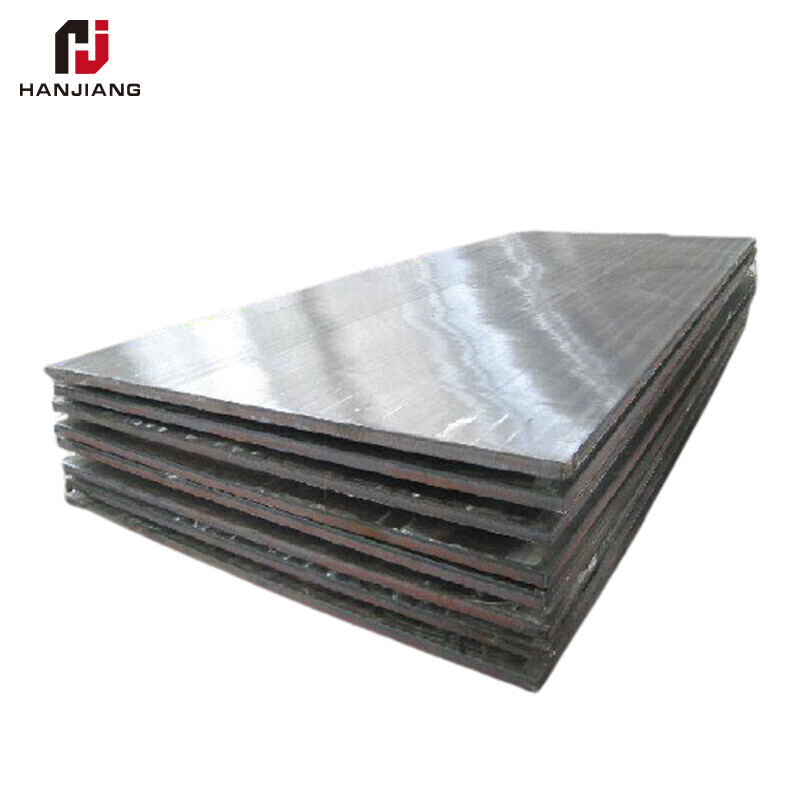
Material Grades and Standards
Selecting the appropriate material grade is the foundation of sourcing high-performance carbon steel plates. Grades such as ASTM A36, A572, and A516 dictate chemical composition, tensile strength, and yield strength, directly impacting weldability, machinability, and structural integrity. For pressure vessel applications, ASME SA516 is often mandated due to its notch toughness at low temperatures.
International equivalents must also be considered for global projects. For example:
Certification Requirements
Mill test certificates (MTCs) verifying chemical and mechanical properties should accompany all carbon steel plate shipments. For critical applications, third-party inspection to NACE MR0175 or NORSOK M-650 standards may be required, particularly for sour service environments where hydrogen-induced cracking is a concern.
Thickness Tolerance and Dimensional Stability
Carbon steel plate thickness directly affects load-bearing capacity and must comply with ASTM A6/A6M tolerances. Plates exceeding 200mm thickness require specialized rolling mills to prevent internal voids. Key considerations include:
- Flatness tolerance (typically ≤3mm/m for precision machining)
- Sheared vs. flame-cut edges (affects HAZ width)
- Weight calculation accuracy (density variation ≤1%)
For offshore applications, DNV-OS-B101 specifies additional requirements for thickness verification through ultrasonic testing (UT), particularly for plates over 50mm thickness subjected to dynamic loading.
Corrosion Protection Strategies
While carbon steel plates offer excellent strength-to-cost ratios, their corrosion resistance requires careful evaluation. The corrosion rate in marine environments can exceed 0.5mm/year without proper protection. Common mitigation approaches include:
Protective Coatings
Epoxy coatings with zinc-rich primers provide 15-20 years of protection when applied to properly prepared surfaces (Sa 2.5 blast profile). For high-temperature service, inorganic zinc silicate coatings withstand up to 400°C.
Alloying Elements
Weathering steel grades like ASTM A588 contain copper, chromium, and nickel, forming stable patina layers that reduce corrosion rates by 50-80% compared to standard carbon steel plates in atmospheric conditions.
Mechanical Properties Verification
Tensile testing, Charpy V-notch impact tests, and hardness measurements must align with project specifications. For structural applications, key parameters include:
For low-temperature applications, impact testing at -46°C (API 2H Grade 50) or -60°C (EN 10025 S355NL) verifies fracture toughness.
Supply Chain and Logistics Factors
Reliable carbon steel plate suppliers should demonstrate:
- Mill-direct sourcing with traceable heat numbers
- Inventory management for quick-turnaround orders
- ISO 9001:2015 certified quality systems
- Capability to provide cut-to-size processing
Transportation costs for heavy plates often exceed 15% of material costs, making regional supplier selection critical. Proper packaging with edge protectors and desiccant bags prevents transit damage.
Conclusion and Next Steps
Selecting optimal carbon steel plates requires balancing mechanical properties, corrosion resistance, dimensional accuracy, and supply chain reliability. By methodically evaluating these factors against your project's technical and budgetary requirements, you can ensure long-term performance and cost efficiency.
For technical specifications or volume pricing on ASTM/EN compliant carbon steel plates, request a consultation with our metallurgical experts today. Our ISO-certified supply network delivers precision-cut plates with full material traceability for industrial applications worldwide.

